Cheese Pizza for Lunch, Dinner, and Late-Night Snacking
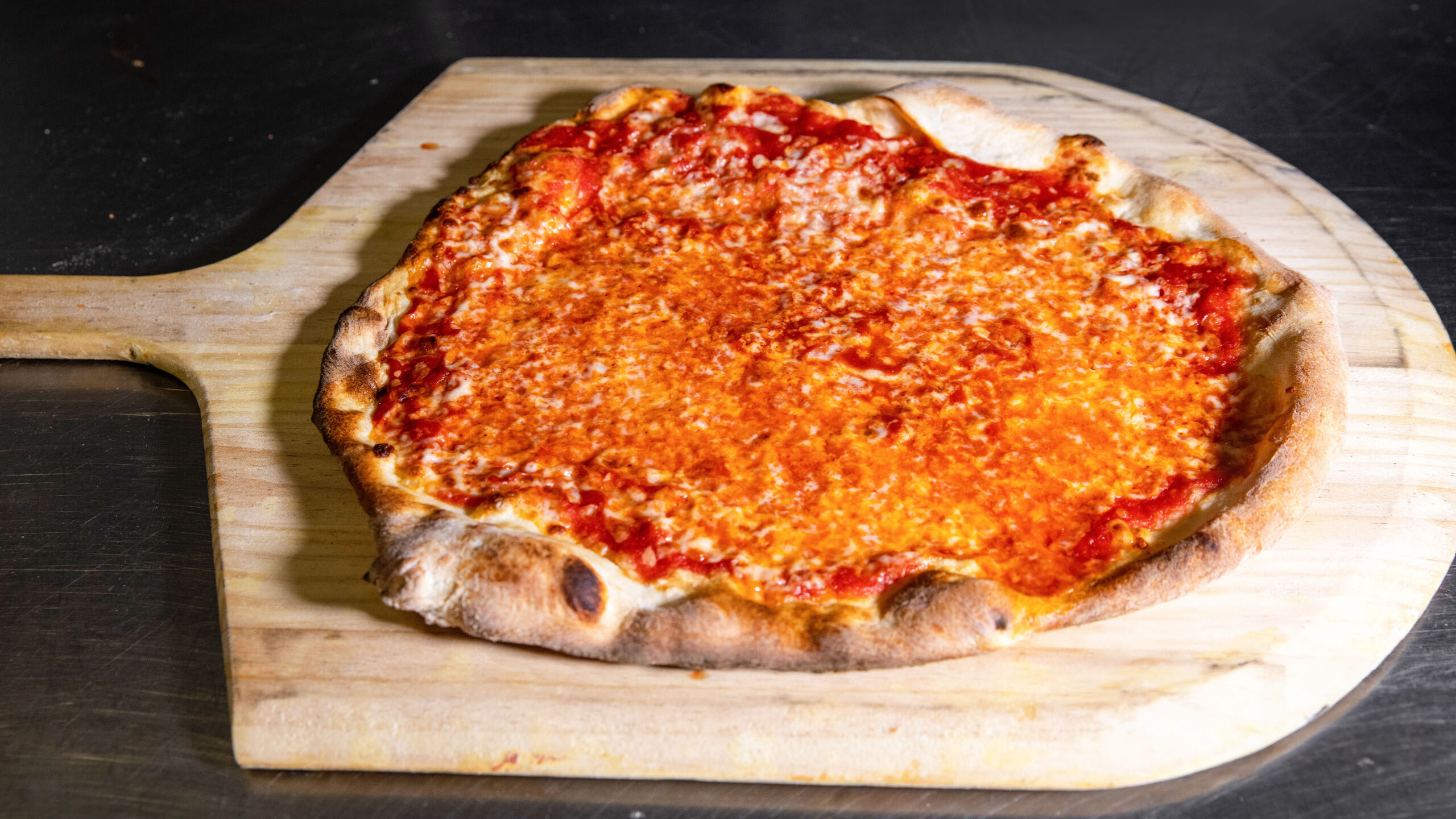
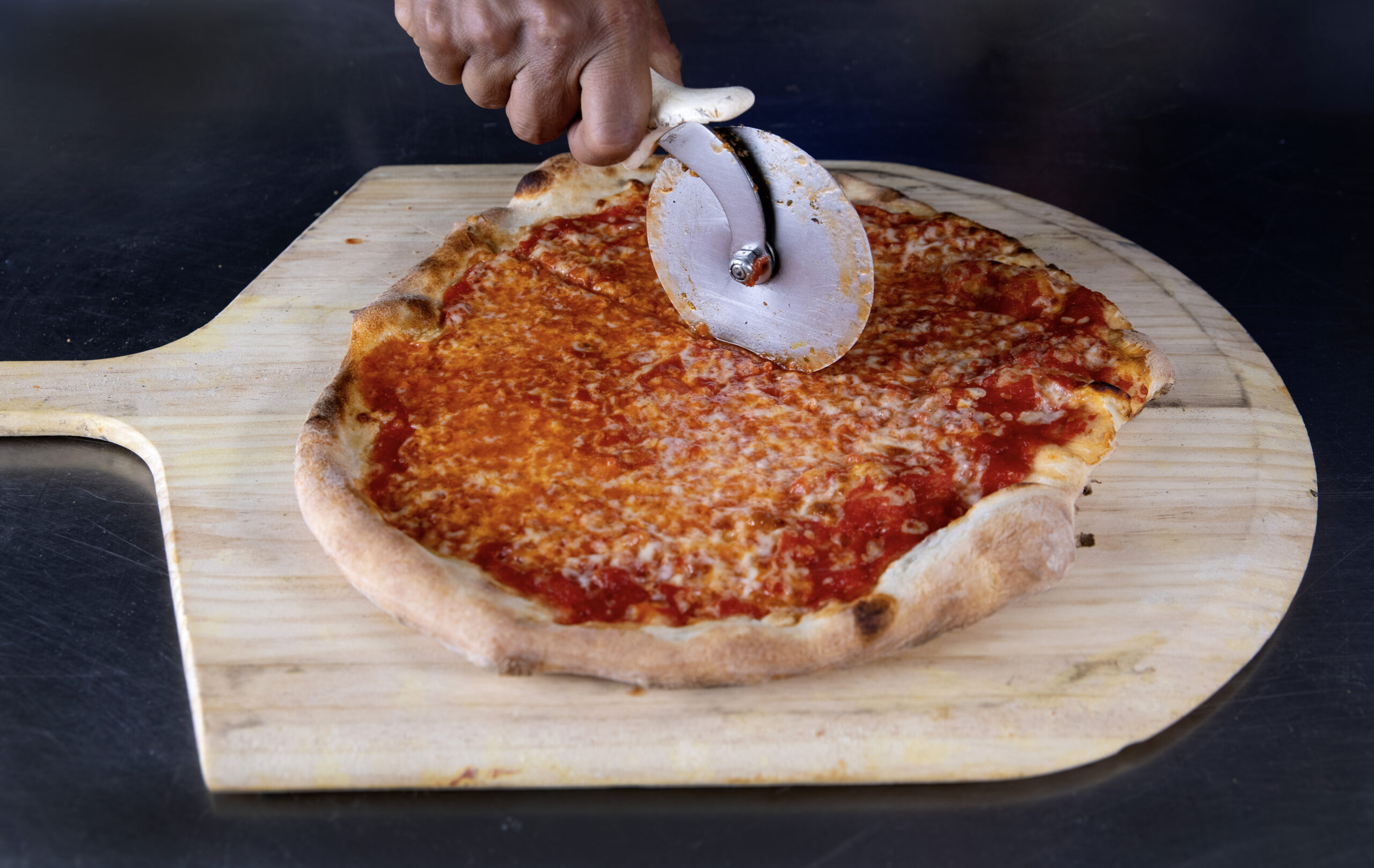
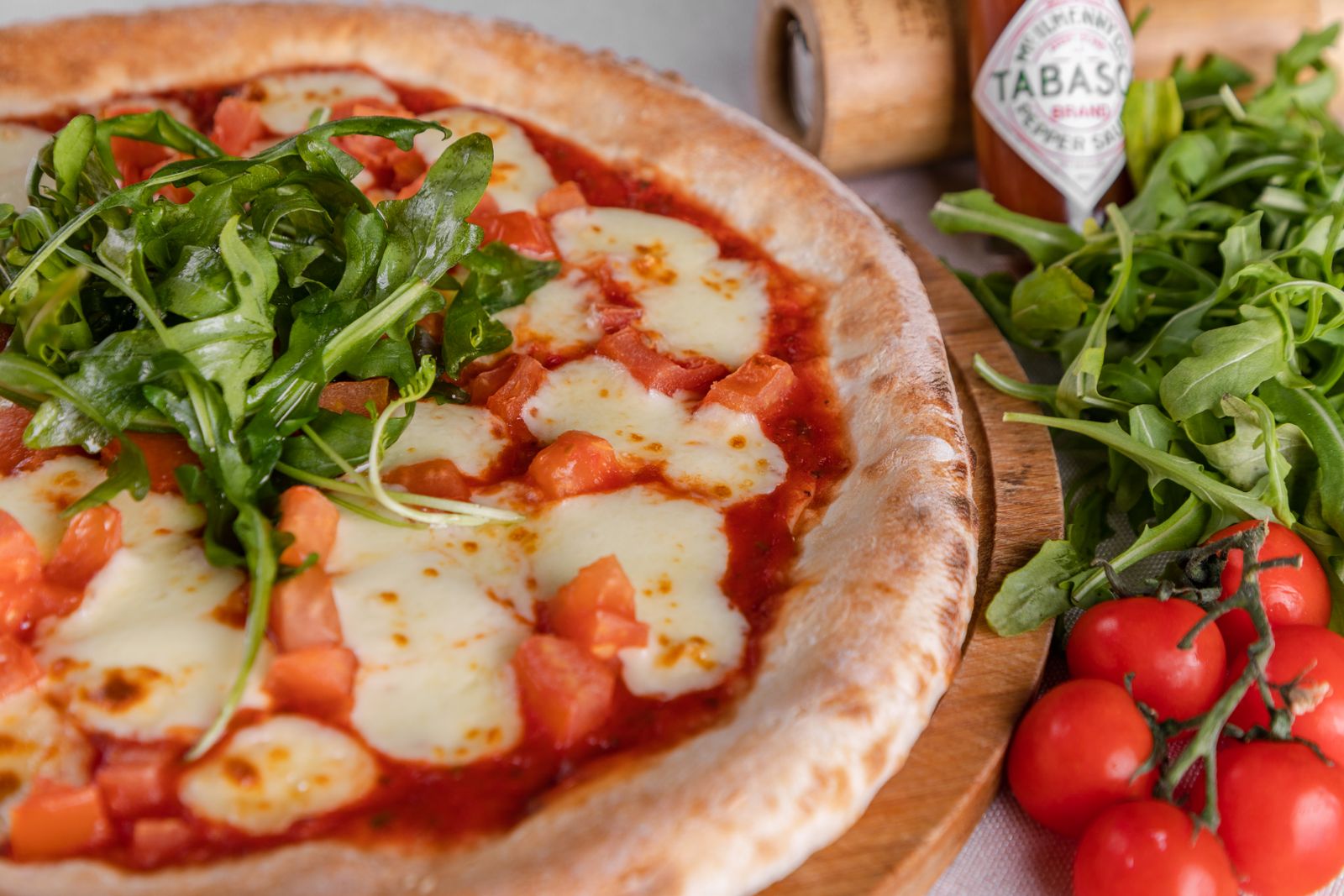
Cheese pizza has a way of slipping past categories. It is simple enough for a quick lunch, reliable enough for dinner, and forgiving enough to eat half-awake over the kitchen counter at midnight. Plenty of foods work in one of those moments. Far fewer handle all three with equal confidence.
That versatility is easy to underestimate because cheese pizza looks so basic. Dough, sauce, cheese, heat. No dramatic garnish, no stack of toppings trying to prove a point. Yet anyone who has spent time around pizzerias, home ovens, office catering trays, or family weeknight meals knows that simplicity raises the standard. There is nowhere to hide. When the crust is underproofed, you taste it. When the sauce is too sweet, you notice. When the cheese breaks into greasy pools instead of melting smoothly, the whole slice falls apart.
That is exactly why cheese pizza earns its place at every hour of the day. When it is made well, it satisfies in different ways depending on when you eat it. At lunch, it feels efficient and comforting without dragging down the afternoon. At dinner, it can carry the whole table, whether the setting is casual or planned. Late at night, it becomes almost ideal food, rich enough to feel indulgent, familiar enough to feel easy.
Why a plain pie is never really plain
People often call cheese pizza the default option, but that misses the point. It is not the absence of imagination. It is the most direct expression of pizza fundamentals. In a busy restaurant, the first slice I judge is usually the cheese. Toppings change moisture, salt, and texture. Cheese pizza tells the truth. If the dough has character, if the fermentation is right, if the tomato sauce is balanced, if the cheese coverage is thoughtful rather than heavy-handed, the pie speaks for itself.
That matters even more when pizza has to perform across different contexts. A heavily topped pie can be fantastic fresh from the oven and disappointing 20 minutes later. A good cheese pizza tends to travel better, reheat better, and hold its structure more consistently. The ingredients are in balance. The crust does not sag under weight. The sauce still tastes like tomatoes rather than a topping delivery system. The cheese browns, stretches, and settles into the slice rather than sliding off in one molten sheet.
The best versions also understand restraint. Too much cheese dulls the contrast between crust and sauce. Too little leaves the pie feeling thin and stingy. Good shops usually land somewhere in the middle, enough Cheese Pizza Brooklyn Pizza coverage for richness, enough exposed sauce for brightness, enough oven contact for those browned blisters that add depth.
Lunch calls for speed, balance, and a slice that behaves
Lunch is where cheese pizza proves its practical value. Midday meals need to satisfy without hijacking the rest of the workday. A giant sandwich can feel cumbersome. A burger can be too heavy. Salad can be virtuous and still leave you scavenging for snacks at three o'clock. Cheese pizza, especially by the slice, solves a very specific problem. It is warm, filling, portable, and easy to portion.
A lunch slice also lives or dies by structure. If you need two napkins, a fork, and a clean shirt by the end of the meal, the pizza was not built for the job. The classic foldable slice remains a lunchtime classic for good reason. The crust should have enough crispness underneath to support itself, enough softness at the edge to bend without cracking, and enough chew to feel substantial. That is not a romantic ideal. It is engineering.
Office neighborhoods understand this better than almost anywhere else. The lunch rush rewards consistency over spectacle. A dependable cheese pizza can move quickly from oven to box to desk without becoming sad. It does not ask much from the eater. One or two slices, maybe a drink, and you are back to work. There is discipline in that kind of food.
Portion matters too. A twelve-inch personal pie at lunch can sound manageable until the afternoon slump hits. For many people, one large slice or two modest ones is the sweet spot. The protein and fat from the cheese help with satiety, while the crust and sauce keep the meal from feeling one-note. If you want to make lunch pizza work regularly, the move is not excess. It is proportion.
Dinner gives cheese pizza room to show range
At dinner, cheese pizza becomes more expressive. It can still be quick, especially on a weeknight when cooking feels like an unnecessary battle. But dinner allows for a wider frame. Now the pizza can arrive with a salad, a few roasted vegetables, maybe some olives or a simple dessert. It can feed children and adults without requiring separate meals. It can anchor a relaxed evening with friends or solve the eternal question of what everyone will actually agree to eat.
This is where style matters. A thin New York slice dinner feels different from a blistered Neapolitan pie, and both feel different from a pan-baked square with caramelized edges. Cheese pizza adapts to each form because its appeal is rooted in contrast. You want acidity from the tomatoes, dairy richness from the cheese, bitterness from dark spots on the crust, sweetness from wheat and long fermentation, salinity from the bake. Dinner gives you time to appreciate those layers.
When I make pizza at home for dinner, I pay more attention to sequencing than most recipes mention. The dough needs enough time to relax, the oven needs longer than you think to saturate with heat, and the topped pie needs a light hand. Home cooks often ruin cheese pizza by treating it as if more equals better. More sauce, more mozzarella, more olive oil, more flour on the peel. The result is usually a wet center, pale top, and flour bitterness on the bottom. Dinner pizza rewards confidence. Stretch the dough thin enough, apply sauce sparingly, distribute the cheese so there are gaps, then trust the oven.
The version that works best for family dinners is not always the one that photographs best. Sometimes a sturdier crust with slightly lower hydration is the smarter move because it bakes more predictably in a home oven. Sometimes part-skim mozzarella melts more evenly than the expensive fresh ball in the fridge. Sometimes a sauce made from crushed canned tomatoes and salt tastes cleaner than one simmered into a thick, heavily seasoned paste. Pizza is full of trade-offs, and cheese pizza exposes every one of them.
Late-night pizza is its own category
The late-night relationship with cheese pizza is almost separate from lunch and dinner. By then, the standards shift. You still want quality, but you also want comfort, speed, and something that tastes good whether it is fresh, reheated, or eaten cold from the box. Few foods are as generous under those conditions.
At night, texture becomes especially important. A slice that was perfect at 7 p.m. Can be leathery by 11. A really good cheese pizza still offers something after the steam has faded. The crust should retain a little chew. The cheese should firm up without turning rubbery. The sauce should stay vivid enough to cut through the richness. This is where balanced pies win. Overloaded pizzas suffer more as they cool because the toppings trap moisture and weigh everything down. Cheese pizza, built on fewer variables, remains stable.
There is also the emotional side of late-night eating, which is real whether people admit it or not. Late-night snacks are rarely about nutritional theory. They are about wanting something deeply familiar and immediately satisfying. Cheese pizza works because it asks nothing of you. You do not need condiments, assembly, or concentration. You pick up a slice and it delivers exactly what it promised.
Cold cheese pizza deserves more respect than it gets. The fat in the cheese firms up, the crust turns denser, and the tomato flavor often becomes more pronounced. That is not the same pleasure as hot pizza, but it is a legitimate one. Some people actually prefer the next-day slice because the flavors settle and the salt feels less aggressive. I would not say cold is better across the board, but I would say a good cheese pizza should still make sense cold. If it only works at peak heat, it was probably overdependent on molten cheese to begin with.
What separates a great cheese pizza from a forgettable one
Quality in cheese pizza rarely comes from any single dramatic ingredient. It comes from proportion and execution. The basics are familiar, but the details matter enough to change the entire experience.
Here are the pressure points that make the biggest difference:
- The crust needs both structure and character. Crisp underneath and tender inside is the target for most styles.
- The sauce should taste like tomatoes first, not sugar or dried herbs.
- The cheese must melt evenly and brown in spots without flooding the surface with oil.
- The ratio matters more than any premium label. Too much of any component throws the pie off balance.
- High heat helps, but timing matters just as much. Even a powerful oven cannot rescue a poorly assembled pizza.
Notice that none of those points rely on novelty. Cheese pizza rewards discipline. You can spend more on flour, tomatoes, or mozzarella, but cost alone does not create balance. In many professional kitchens, the most useful skill is learning when to stop. Another ladle of sauce feels generous. Another handful of cheese feels safe. Often both are mistakes.
The home kitchen version, without the fantasy
A lot of home pizza advice drifts into wishful thinking. It assumes a restaurant deck oven, a full afternoon of prep, and the patience to manage dough like a bakery project. Real home cooking usually works under tighter constraints. You get one or two hours, a standard oven, and a kitchen that also needs to function for everything else.
The good news is that cheese pizza is very achievable at home if you focus on the right variables. The first is heat retention. If you have a pizza stone or steel, use it, and preheat longer than seems necessary. Forty-five minutes is a reasonable floor. The second is dough temperature. Cold dough fights back and tears. Let it warm enough to stretch without force. The third is moisture control. Fresh mozzarella can be excellent, but if it is not drained well, it can leave the center soupy. Low-moisture mozzarella is less romantic and often more effective.
Sauce is another area where restraint pays off. A light layer gives the crust a chance to bake through and keeps the tomato flavor bright. Heavily cooked sauces have their place, but for many cheese pizzas, uncooked crushed tomatoes seasoned simply with salt and maybe a touch of olive oil are enough. The oven does the rest.
One practical habit separates successful home pizza nights from frustrating ones: build the pizza faster. The longer the dough sits topped on the counter or peel, the greater the chance it sticks, absorbs moisture, and turns awkward to launch. That sounds obvious, but many people treat assembly like decorating a cake. Cheese pizza prefers momentum.
The best ways to serve it at different times of day
A meal changes with context, not just with ingredients. Cheese pizza can adapt if you let it.
For lunch, the ideal setup is often one or two slices with something crisp and acidic on the side. A small salad with sharp vinaigrette works because it clears the palate and keeps the meal from leaning too rich. Sparkling water or iced tea often suits the moment better than a sweet soda, especially if you need to stay alert afterward.
Dinner allows for more presence. A whole pie at the center of the table changes the energy of the meal. People reach, tear, compare slices, and eat at their own pace. That communal quality is part of the appeal. Even when the menu is minimal, dinner pizza feels generous because it is shared food.
Late at night, simplicity wins. Warm a slice properly, or do not bother pretending. Microwaving can soften the crust and make the cheese rubbery. A skillet or hot oven restores texture. If you are dealing with one leftover slice, a covered skillet over medium-low heat does an excellent job. The bottom crisps, the cheese loosens, and the whole thing tastes intentional rather than rescued.
Reheating is not an afterthought
Leftover cheese pizza is common enough that reheating should be treated as part of the cooking process, not an afterthought. The method changes the result dramatically. In kitchens where we wanted a quick staff meal from leftover slices, the skillet method consistently beat the microwave.
The best options are straightforward:
- A skillet on medium-low heat brings back bottom crispness and remelts the cheese with good control.
- A hot oven works well for several slices at once and preserves the crust better than most other methods.
- A toaster oven is excellent for small portions if it heats evenly.
- The microwave is fast but usually sacrifices texture, so it is the compromise choice.
What matters most is not scorching the bottom while the top stays cold. A brief cover on the skillet traps enough heat to soften the cheese. In the oven, a few minutes is usually enough. Reheated pizza should taste revived, not dried out.
Why cheese pizza keeps surviving food trends
Food culture cycles through extremes. One year it is maximalist toppings, hot honey, and multiple meats. Another year it is hyperlocal grains, sourdough crusts, and imported buffalo mozzarella. Much of that experimentation is genuinely interesting. Still, cheese pizza remains the benchmark. It survives because it answers a need deeper than novelty.
For restaurants, it is a test of competence and consistency. For home cooks, it is a practical skill with a high reward-to-effort ratio. For diners, it offers enough familiarity to be comforting and enough variation to stay interesting. A cheese pizza from a neighborhood slice shop, a wood-fired restaurant, a frozen grocery option, and a home oven can all be recognizably part of the same category while delivering very different experiences.
That range is part of its endurance. Cheese pizza can be cheap without feeling like a concession. It can also be carefully crafted without feeling fussy. It belongs at birthday parties, team lunches, solo dinners, and after-midnight kitchens. Very few foods travel across class, age, and occasion that smoothly.
There is also something satisfying about a food that does not need explanation. You can discuss hydration percentages and cheese blends if you want to, and there is real substance there. But you can also just eat a slice and know immediately whether it works. The feedback is instant. The standards are widely understood. The pleasure is uncomplicated.
A final slice worth paying attention to
Cheese pizza lasts because it meets people where they are. At lunch, it is efficient without being bleak. At dinner, it can carry the table with ease. Late at night, it becomes almost unbeatable, a food that still feels good when the day has run long and appetite is guided more by instinct than by planning.
Its reputation for simplicity is accurate, but simplicity is not the same thing as being easy. The best cheese pizza depends on judgment, proportion, and timing. It rewards care at every stage, from dough fermentation to reheating leftovers. And when all of that is done right, the result feels effortless, which is often the mark of real skill.
If you want one food that can move from a lunch break to a family dinner to the last quiet hour of the night without losing its appeal, Cheese Pizza has already made its case. It has been making it for a long time, one slice at a time.
Brooklyn Pizza
1647 Arapahoe Ave
Boulder, CO 80302
+1 720-328-2324
FAQ About Cheese Pizza
What type of cheese is used on a cheese pizza in Boulder, CO?
The cheese varies by pizzeria. Brooklyn Pizza uses whole-milk mozzarella made in-house on its standard pies and offers a plant-based cheese option for vegan pizza. Ask the shop directly about ingredients if you have a dietary restriction.
How many slices are in a large pizza in Boulder, CO?
Slice count depends on how the shop cuts the pie. Brooklyn Pizza lists a 16-inch large pizza. If you are ordering for a group, call to confirm the number of slices or ask whether a smaller cut is available.
What is New York style pizza in Boulder, CO?
New York-style pizza usually has a thin crust and wide slices that can be folded. A classic cheese slice pairs tomato sauce with mozzarella. Brooklyn Pizza serves New York-style pizza by the slice and as whole pies.