The Art of Great Cheese Pizza in Boulder, Colorado
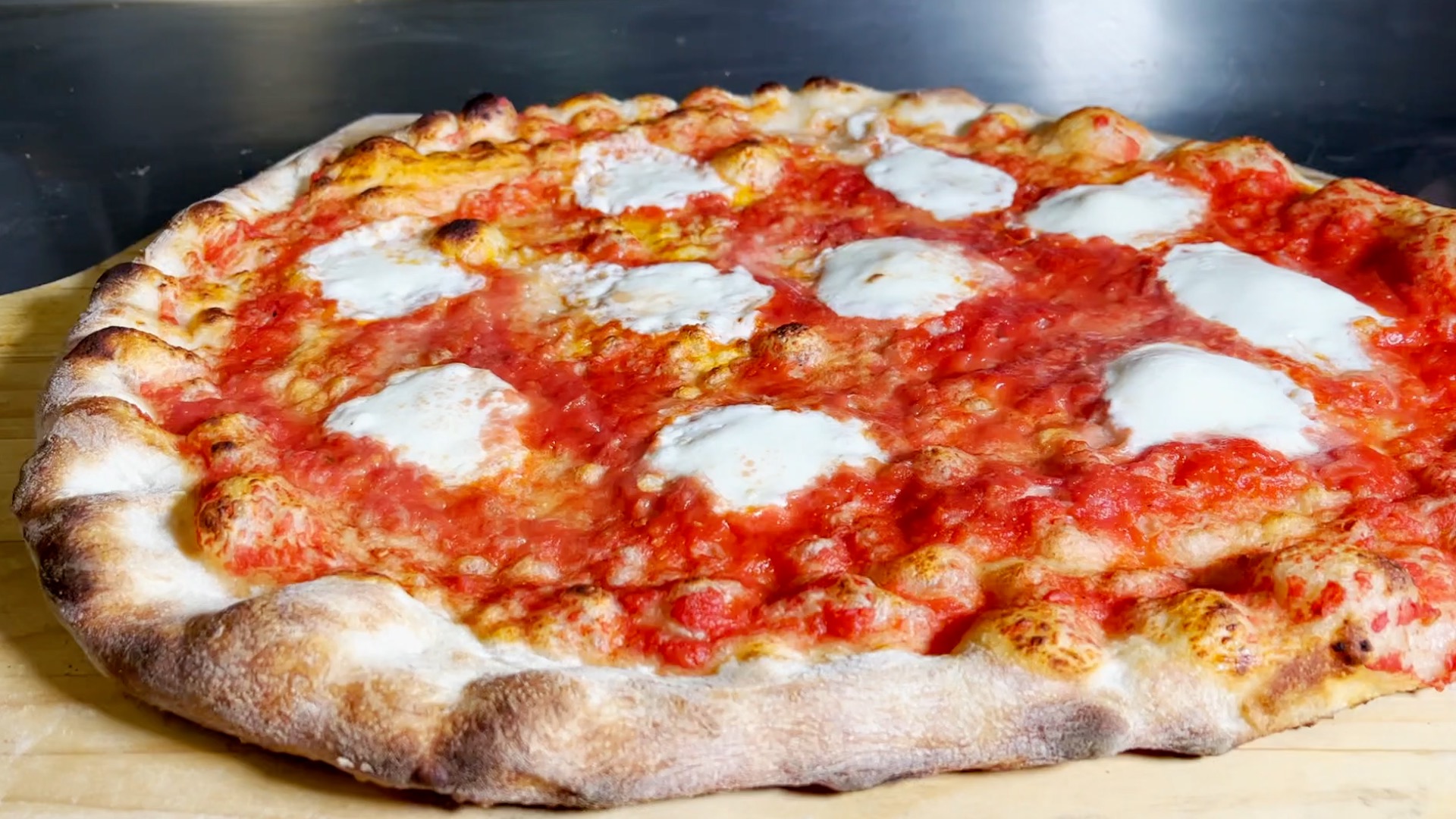
There are cities where cheese pizza feels like an afterthought, a default order for kids, a placeholder before the “real” toppings arrive. Boulder is not one of them. In this town, a great plain pie has to survive the scrutiny of serious diners, mountain-town transplants, college students who know value when they see it, and cooks who spend their off-hours arguing about fermentation, water chemistry, and oven heat. If a pizzeria in Boulder can make a memorable cheese pizza, it has usually earned that reputation the hard way.
That is what makes cheese pizza such a useful lens for understanding Boulder’s food culture. Strip away sausage, peppers, hot honey, arugula, and every other flourish, and what remains is a test of craft. The dough has nowhere to hide. The sauce must be balanced. The cheese has to melt evenly, brown in the right spots, and support the slice rather than overwhelm it. Every decision, from flour choice to bake time, becomes visible.
Boulder, Colorado adds its own complications and charms to that equation. This is a place where people care deeply about ingredients, where altitude changes how dough behaves, and where diners are just as likely to ask about flour sourcing as they are to ask for extra napkins. A cheese pizza here can be rustic, blistered, and naturally leavened, or it can lean East Coast with a thinner base and a foldable slice. What matters is not style purity for its own sake. What matters is whether the pie tastes complete.
Why cheese pizza reveals the whole kitchen
Anyone who has spent time around professional kitchens learns one truth quickly: simple food is often the hardest food to get right. A loaded pizza can be delicious, but it can also mask technical mistakes. Too much moisture from vegetables might distract from an under-fermented crust. Spicy meats can bulldoze a sauce that tastes flat. A heavy hand with toppings can keep customers from noticing that the cheese never browned properly.
Cheese pizza offers no such cover. On a plain pie, you notice the bottom crust the moment you pick up the slice. Does it sag? Does it crack? Does it hold its structure while staying tender? You notice the rim. Is it airy, dense, dry, chewy, or delicately crisp? You notice the sauce immediately because there is so little standing between your palate and the tomato. Too sweet, and the whole pie feels childish. Too acidic, and the dairy never settles it. Too heavily seasoned, and the oregano or garlic starts shouting.
The cheese itself tells a story. Many customers think “cheese pizza” means mozzarella and nothing more, but that is rarely the whole picture in a better shop. One pizzeria may use low-moisture mozzarella for structure and browning, with a little whole-milk mozzarella for softness. Another might slip in provolone for a nuttier finish or a dusting of pecorino for salinity. These are not gimmicks. They are compositional choices, as meaningful as brushstrokes in a painting.
In Boulder, where diners often appreciate nuance, those choices matter. A city that supports craft bakeries, specialty coffee, and ingredient-driven restaurants tends to reward pizzerias that treat pizza dough and dairy with the same level of thought. That is one reason the phrase “Cheese Pizza Boulder, Colorado” is more interesting than it sounds at first glance. It points to a specific regional context where simplicity can still be highly expressive.
Boulder’s altitude changes the rules
Pizza people from sea-level cities often underestimate what Colorado elevation does to dough. Boulder sits high enough that baking is not a copy-and-paste exercise from New York, New Jersey, or Naples. Water evaporates faster. Dough can proof differently. Fermentation timing becomes more sensitive. Even small changes in hydration or yeast quantity can produce noticeably different results over the course of a service.
This does not mean great pizza is harder to make in Boulder than elsewhere, at least not in any absolute sense. It means the craft has to be adapted. A dough that worked beautifully in a coastal city might run too dry here or mature too quickly. Some bakers compensate with hydration changes. Some alter mixing times, proofing temperatures, or cold fermentation schedules. Others tune their oven management more carefully because browning and interior bake can drift out of sync.
You can taste this learning curve in real life. A well-made Boulder cheese pizza often has a crust that balances color with interior tenderness, rather than chasing blistering at all costs. There is a practical intelligence to it. The best pies are not trying to imitate another city without compromise. They are using solid pizza principles while acknowledging where they are baked.
For diners, this helps explain why local pizza can surprise you. A visitor expecting a carbon copy of a classic East Coast slice may first notice small differences in chew or crispness. But the strongest Boulder shops turn those differences into strengths. They produce pies that feel calibrated to local conditions, not defeated by them.
The dough carries more of the meal than most people realize
When people talk about pizza, they tend to talk first about toppings. On a cheese pie, dough becomes the main event. Not because it dominates the flavor, but because it governs texture, aroma, and how everything else lands. A good crust smells faintly wheaty and toasted. It should offer resistance without becoming work. It should remain appealing even after the pie cools for a few minutes, which is a far tougher standard than many restaurants would like to admit.
In Boulder, there is a strong appreciation for bread craft in general, and that has helped raise expectations around pizza dough. A cheese pizza here benefits from the same care people expect in a quality loaf: proper fermentation, good flour, thoughtful handling, and enough restraint not to overcomplicate the formula. You do not need six grains, heritage buzzwords, or an aggressively sour starter to make excellent pizza. You need dough that feels alive and intentional.
There is also a practical point that home cooks discover quickly. The dough has to match the oven. A deck oven, a wood-fired oven, and a gas setup all ask different things of the baker. In one place, a lean dough with strong oven spring might shine. In another, slightly richer dough may brown more evenly or hold up better through rush periods. Boulder’s best pizzerias understand their equipment intimately, and on a cheese pizza that confidence shows.
One of the easiest ways to judge dough quality is by eating the crust naked at the end of the slice. If that last bite tastes like obligation, the pie was never really balanced. If it tastes like bread you would gladly order on its own, the kitchen probably knows what it is doing.
Sauce is not just tomato, it is timing and restraint
A lot of mediocre cheese pizza comes from kitchens that overbuild the sauce. Tomatoes are naturally expressive. They do not need to be bullied into flavor with sugar, dried herbs, and enough garlic to perfume the dining room. Good sauce for cheese pizza should support the crust and dairy, not dominate them.
The best versions usually hit a narrow window. Bright enough to keep the pie lively, cooked or seasoned enough to avoid raw sharpness, and thick enough to stay where it belongs without turning pasty. In Boulder, where ingredient sourcing often gets careful attention, some pizzerias lean into cleaner tomato flavor and a lighter touch. That tends to work especially well on cheese pies because it lets the sweetness of milk and the char of the crust carry more of the complexity.
There is a reason experienced pizza makers talk so much about sauce distribution. Too little sauce and the pie eats dry. Too much and the center turns sloppy, especially at altitude where moisture management already demands care. I have had slices where the sauce was technically tasty but spread too thickly, muting the cheese and collapsing the structure. I have also had plainly dressed pies where a thinner, more even layer made the whole slice feel precise and generous at once.
That kind of judgment separates respectable pizza from pizza you remember.
Cheese is architecture, not decoration
People who order cheese pizza regularly often become very particular about melt. They know that cheese is not merely a flavor component. It controls texture, fat distribution, and the pace of each bite. A pie with excellent dough and sauce can still fail if the cheese breaks into grease, scorches too fast, or slides off in one molten sheet.
Most pizzerias rely on mozzarella, for obvious reasons. It melts well, stretches attractively, and brings familiar comfort. But not all mozzarella behaves the same. Moisture level matters. Fat content matters. Cut size matters. So does tempering. Cheese pulled straight from the cold can bake differently from cheese allowed to warm slightly before topping, especially in a busy service.
In Boulder, where a more ingredient-aware dining culture exists, some shops are bolder about blending cheeses or adjusting ratios by style. A New York-style pie may need enough low-moisture mozzarella to keep slices stable. A wood-fired pie with a softer center may benefit from fresh mozzarella used with greater discipline. A square pie may welcome sharper supporting cheeses because its crust and bake can handle the extra intensity.
For customers, the signs of skill are visible. Look for even coverage without overloading. Look for browned spots that signal proper heat contact, not burned bitterness. Look for a slice that stretches, but still separates cleanly when you bite. Great cheese pizza does not feel Cheese Pizza Boulder, Colorado heavy just because it is rich. It feels composed.
Boulder diners expect quality, but they also expect range
One of the pleasures of eating pizza in Boulder is that there is room for more than one ideal. The city supports diners who want a quick foldable slice, families looking for comfort, athletes chasing calories after a long ride or hike, and ingredient-minded eaters who notice details others miss. That means “great” cheese pizza can take several forms without any of them being wrong.
You see this in how different shops approach crust thickness, char, and dairy profile. Some go for a classic, broadly appealing balance: crisp base, moderate sauce, familiar mozzarella finish. Others chase a more artisan expression with longer fermentation, puffed rims, and stronger wheat flavor. The better operators know their lane and execute it consistently. Trouble starts when a pizzeria tries to satisfy every pizza ideology at once. A kitchen that wants to be New York, neo-Neapolitan, tavern-style, and Detroit-inspired all under one roof often ends up making compromises customers can taste.
Boulder is also the sort of market where dietary preferences shape demand. Gluten-free crusts, dairy alternatives, and ingredient transparency matter to many guests. These requests are not fads to dismiss. They are part of serving the actual community. At the same time, a pizzeria earns trust by being honest about where substitutions work and where they change the experience significantly. A cheese pizza made with alternative cheese will not melt or brown exactly like dairy mozzarella. A strong kitchen does not pretend otherwise. It adjusts technique where possible and communicates clearly.
What to notice when you sit down with a cheese pizza
A serious tasting of cheese pizza does not need to be fussy. It just benefits from paying attention in the right order. Most people know whether a pie is special within the first minute, often before the second slice.
Here are the cues worth watching:
- The underside should show even bake and some structure, not pale flabbiness or burnt bitterness.
- The tip of the slice should hold long enough for a proper bite, even if a softer style bends.
- The sauce should taste like tomato first, seasoning second.
- The cheese should bind with the sauce and crust, not separate into layers.
- The crust edge should be worth eating on its own.
That quick checklist tells you more than a menu description ever will. It also helps explain why cheese pizza remains such a fair test across styles. You are not asking every pizzeria to make the same pie. You are asking each one to make a coherent pie.
The rhythm of a Boulder pizza night
Pizza is never judged in laboratory conditions. It is judged in actual life, on cold evenings after the sun drops behind the Flatirons, on busy weekends when half the room seems to have come from a trailhead, during student rushes, family dinners, date nights, and takeout pickups delayed by ten minutes because the oven got slammed. Cheese pizza in Boulder has to perform in all of those settings.
That is where operational discipline matters. A pie that tastes fantastic at 4:30 in an empty dining room but falls apart at 7:15 is not truly dialed in. Consistency under pressure is part of the craft. The best shops maintain dough condition through service, keep their cheese handling steady, and resist the temptation to rush a bake simply because the ticket rail is filling up.
Takeout adds another layer. Some pizzas travel better than others. A very delicate wood-fired pie can lose its peak texture in the box if steam softens the crust. A slightly firmer cheese pizza may actually arrive in better shape. Boulder’s spread-out neighborhoods and active takeout culture make this a real concern. Good operators know whether to vent the box, how to cut the pie for stability, and which style is best eaten immediately.
That practical side rarely gets enough attention in food writing, but it should. A memorable pizza is not just made well. It is delivered to the table, or to the customer’s front seat, in a form that still honors the work.
Pairing, pacing, and the small decisions that elevate the meal
Cheese pizza asks for balance around it. In Boulder, that often means beer, though not always the hoppiest one on the list. A heavily bitter IPA can flatten tomato sweetness and make the cheese feel greasier than it is. A crisp lager, a balanced pale ale, or even a lightly acidic red can frame a plain pie better. Sparkling water with a squeeze of lemon does more than people think, especially if you want to stay focused on the pizza itself.
The pace of eating matters too. Fresh from the oven, a cheese pizza can be almost too hot to judge. Wait ninety seconds and it often enters its ideal window, where the cheese settles slightly and the sauce becomes more distinct. Another few minutes later, the crust texture may become clearer. This is why the second slice is frequently more revealing than the first. The first slice tells you the pizza’s energy. The second tells you its design.
If you are ordering for a table, there is a good argument for including at least one plain cheese pie even if everyone likes toppings. It becomes the benchmark. Once you taste the house on its own terms, you understand the rest of the menu better. Strong topping combinations are more impressive when the base pie is already excellent.
For home cooks in Boulder, simplicity is the smarter challenge
A lot of Boulder residents cook seriously at home, and pizza is one of those foods that tempts people into constant experimentation. That can be fun, but cheese pizza teaches the most because it narrows your focus. If your dough is underproofed, you will know. If your oven needs a longer preheat, you will know. If your sauce is too wet, you will know after the first cut.
The core lessons are not glamorous, but they work:
- Preheat longer than you think you need.
- Go lighter on sauce than your instincts suggest.
- Use less cheese than a delivery chain has trained you to expect.
- Let the pie rest briefly after baking.
- Change one variable at a time.
These are small corrections, yet they solve most home pizza problems. At Boulder’s elevation, patience pays off even more. Dough may need a different schedule than recipes from lower elevations assume. Flour and water ratios may need slight adjustment. If one batch bakes too dry, the fix is often not dramatic. A few percentage points more hydration, a touch more fermentation control, or a better steel preheat can change the result entirely.
Home cooks also benefit from accepting their oven’s identity. A standard home oven will not become a commercial deck oven through sheer optimism. But it can still make a very good cheese pizza if you design around its strengths. Thinner pies may work better. A steel may outperform a stone for recovery and bottom heat. Broiler finishing can help with top color if used carefully. None of that is cheating. It is adaptation, the same thing professional kitchens do every day.
Why the plain pie keeps earning respect
Cheese pizza has lasted as a benchmark because it rewards honesty. It asks the kitchen to reveal its standards. It asks the diner to pay attention. In a place like Boulder, where food conversations can get crowded with sourcing terms, style debates, and novelty, that honesty is refreshing.
The best cheese pizza in Boulder, Colorado does not need theatrics. It needs dough with flavor, sauce with judgment, cheese with purpose, and a bake that respects all three. It should feel satisfying without becoming clumsy, comforting without becoming dull. It should remind you that the most familiar foods often carry the deepest technique.
That is the art of it. Not complexity for its own sake, not nostalgia alone, and not style posturing. Just a plain pie made so well that plain no longer feels like a modest word.
Brooklyn Pizza
Address: 1647 Arapahoe Ave, Boulder, CO 80302
Phone number: +17203282324
FAQ About Cheese Pizza Boulder, Colorado
What is usually on a cheese pizza?
A standard cheese pizza consists of a yeast dough crust, a seasoned tomato-based sauce, and melted mozzarella cheese.
What is a cheese pizza called?
A basic cheese pizza is simply called a cheese pizza, a plain pizza, or a plain pie.
What is the best recipe for cheese pizza?
The best cheese pizza recipe uses high-heat baking, a simple raw tomato sauce, and a mix of low-moisture and fresh mozzarella cheese on a homemade yeast dough.