The Best Weeknight Cheese Pizza Recipes to Bookmark
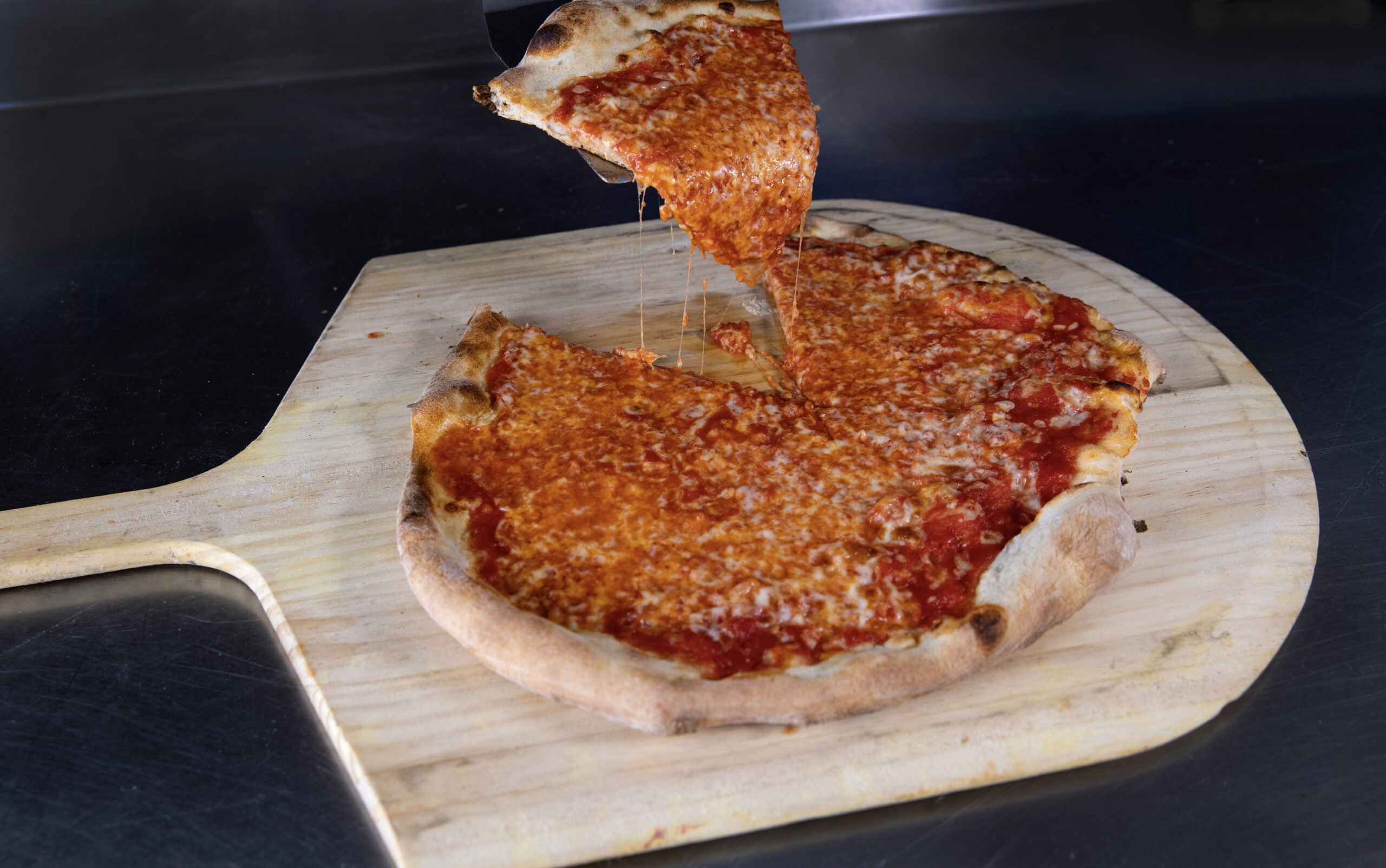
There are nights when cooking feels almost recreational, and there are nights when dinner needs to happen before anyone loses patience. Cheese pizza belongs to the second category, but it still deserves some care. A good weeknight pie is not just melted mozzarella on flat dough. It is a sequence of small, practical decisions that make dinner feel generous rather than rushed: how wet the sauce should be, how far to push the oven, whether the cheese goes on cold or at room temperature, and how thin the dough needs to be to bake fast without turning brittle.
I have made more fast pizzas at home than I can count, usually on weekdays when time was short and cleanup mattered as much as flavor. The pattern is always the same. If the dough is too precious, it does not happen. If the oven setup is too fussy, it gets postponed. If the sauce takes half an hour, everyone eats later than they should. The best weeknight Cheese Pizza recipes solve those problems without tasting like compromises.
What follows is a set of dependable approaches worth bookmarking. They are not all trying to imitate the same pizzeria style. Some are crisp and thin, some soft and chewy, some built for cast iron, some for a sheet pan. That variety is exactly why they are useful. A Wednesday dinner recipe should fit the equipment, ingredients, and energy you actually have.
What makes a pizza truly weeknight-friendly
The difference between a weekend pizza project and a weeknight one often comes down to bake time and friction. Slow-fermented dough is wonderful, but a same-day dough that rests for forty-five minutes can still produce a very respectable crust if it is stretched thinner and baked aggressively. Fresh mozzarella is lovely, but low-moisture mozzarella browns better, melts more evenly, and does not flood the center. A long-cooked sauce develops depth, but a raw crushed tomato sauce with salt, olive oil, and grated garlic can be bright and balanced in under a minute.
Cheese pizza is also less forgiving than people think. Once pepperoni, sausage, or vegetables enter the picture, they distract from a crust that is merely decent or a sauce that is slightly underseasoned. Plain cheese puts everything on display. The dough has to taste like something. The sauce has to be lively. The cheese needs full melt and a little color, not a pale blanket that slips off in one sheet.
For weeknights, I look for recipes with three traits. First, they use either store-bought dough or an easy homemade dough that works on a short timeline. Second, they can be assembled with ingredients many households already keep around. Third, they can deliver from counter to table in about an hour, sometimes less. That includes preheating, which is where many pizza plans quietly collapse.
The fastest path to success starts with the oven
Before talking about specific recipes, it helps to settle one point that matters more than almost anything else: preheat longer than you think. Even a quick cheese pizza benefits from at least twenty to thirty minutes of heat saturation. If you use a steel or stone, give it closer to forty-five. A hot surface sets the bottom crust quickly, which is the difference between crisp and limp.
If your oven runs cool, compensate by placing the rack in the upper third for stronger top browning, or start the pizza lower for bottom heat and finish it under the broiler for a minute or two. That small adjustment can rescue a home oven that tops out at 475 degrees. Most weeknight failures are not really dough failures. They are heat failures.
The 30-minute naan Cheese Pizza for the nights when nothing else will do
This is the emergency recipe, and I mean that as praise. Using naan or another sturdy flatbread is the fastest way to put a credible cheese pizza on the table without pretending it is the same as a yeasted crust. It is its own thing, and when handled properly, it is genuinely good.
Spread a thin layer of sauce over the naan, leaving a narrow border. The mistake people make here is abundance. Too much sauce turns the bread steamy and soft. Use less than you think you need, then scatter shredded low-moisture mozzarella all the way to the edge. A modest dusting of pecorino or parmesan on top gives you more browning and a sharper finish. Bake directly on the oven rack or on a preheated sheet pan until the edges darken and the cheese bubbles, usually in eight to ten minutes depending on thickness.
The reason this version works on a weeknight is not only speed. It also handles pantry substitutions well. Jarred marinara can be reduced in a small pan for a few minutes if it seems loose. A blend of mozzarella and provolone gives more flavor than mozzarella alone. A pinch of dried oregano added after baking tastes better than adding it before, when it can scorch. If you have basil, tear it over the top at the end. If you do not, this pizza still earns its place.
This is the recipe I would bookmark for the night after travel, the night before a grocery run, or the evening when everyone wants something familiar and fast. It is not trying to be artisanal. It is trying to be dependable, and it succeeds.
The sheet pan Cheese Pizza that feeds a household without stress
For families or anyone who wants leftovers, a sheet pan cheese pizza is the smartest weeknight format. It is forgiving, high-yield, and far less nerve-racking than launching a pizza onto a stone. It also reheats surprisingly well the next day in a skillet or toaster oven.
Store-bought dough works beautifully here. Let it sit at room temperature long enough to relax, then stretch it into an oiled quarter-sheet or standard rimmed baking sheet, depending on how thick you want the crust. If the dough snaps back, wait ten minutes and try again. Patience here matters more than force. Once it reaches the corners, let it rest while the oven finishes preheating.
The sauce should be restrained. For a sheet pan pie, too much liquid pools in the center and prevents browning underneath. I like crushed tomatoes mixed with olive oil, salt, a little grated garlic, and a pinch of sugar only if the tomatoes are especially sharp. Then comes the cheese. Use more than you would on a thin round pie, but not so much that the surface becomes heavy and greasy. The sweet spot is enough to cover generously while still allowing some red patches to show through in places.
Bake until the underside takes on real color. That is the hallmark of a good sheet pan pizza, not just melted cheese on pale bread. If the top needs more color once the bottom is done, finish under the broiler briefly. Let it stand a few minutes before cutting so the cheese settles.
What I appreciate most about this method is the lack of drama. Nobody needs to shape a perfect circle. Nobody needs to move quickly with a peel. It is weeknight cooking at its most practical, and the result still feels abundant and comforting.
Cast-iron skillet Cheese Pizza for a crisp edge and a soft center
A cast-iron skillet gives you two things home ovens often struggle to provide at the same time: strong bottom heat and excellent edge browning. It also helps if you prefer a slightly thicker crust with a tender interior. This style lands somewhere between pan pizza and a classic round pie, and it is especially good for cheese pizza because the crust itself contributes so much flavor.
Press the dough into a well-oiled skillet and let it relax if needed. A little olive oil around the perimeter is not optional. It helps fry the edge just enough to create that deep golden ring that makes skillet pizza so satisfying. Sauce the center, then cheese generously, pushing some of it close to the edge so it can brown where it meets the hot pan.
The bake tends to be slightly longer than with a thin pizza, but the process is hands-off. You can start the skillet on the stovetop for a minute or two if you want a head start on the bottom crust, though it is not essential in a very hot oven. Once the cheese blisters and the edge turns crisp, loosen the pizza with a spatula and slide it onto a board. That brief rest before slicing keeps the crumb from compressing.
This is a particularly useful recipe for people who feel intimidated by free-form dough shaping. The pan does the shaping for you. It is also one of the best choices when your dough is wetter or softer than expected. Instead of fighting it, let the skillet work in your favor.
Tortilla and lavash pizzas for the ultra-crisp crowd
Not every weeknight pizza has to mimic a pizzeria pie. Some of the most effective fast versions are intentionally thin, almost cracker-like, and built on tortillas or lavash. These bake in minutes, making them perfect for solo dinners, after-school meals, or those evenings when people are eating at slightly different times.
The key is balance. A tortilla cannot support a heavy topping load. It needs a swipe of sauce, a light scattering of cheese, and a hot bake. The result is not chewy or bready. It is crisp, lacy at the edge, and surprisingly satisfying if you embrace what it is. Use a sheet pan or place it directly on the rack for maximum crispness, keeping a close eye on it because the line between deeply golden and burnt is thin.
Lavash is a little more forgiving because it has more structure. It also makes a good rectangular pie that can be cut into strips for snacking. For Cheese Pizza, a blend of mozzarella with a small amount of fontina Cheese Pizza or provolone gives a better melt and more complexity than mozzarella alone. Finish with olive oil and maybe a little chili flake if that suits the table.
These versions are especially handy when you want pizza flavor without pizza heaviness. They also make a good answer to the common weeknight problem of different appetites. One person can keep it plain, another can add herbs, and nobody has to negotiate a single large pie.
A same-day homemade dough that actually respects the clock
There is a point during the week when even opening a package of store-bought dough feels like more planning than happened. For those nights, it is worth knowing that a same-day dough can be good enough, provided expectations are realistic and technique is solid.
The dough I return to for weeknights is a simple mix of flour, water, yeast, salt, and a little olive oil. Warm water helps it get moving. So does a warm resting place. After mixing, a short knead until smooth and a rest of about forty-five minutes to an hour is usually sufficient for a thin-crust cheese pizza. You are not chasing deep fermentation flavor here. You are chasing extensibility, lightness, and enough structure to brown well.
Roll or stretch it thin, not because thin is inherently better, but because it bakes faster and more predictably in a home oven. A thicker same-day dough can remain doughy in the center unless the oven is especially powerful. For sauce, go simple and raw. For cheese, shred it yourself if possible. Pre-shredded cheese often contains anti-caking agents that can slightly dull the melt. The difference is not dramatic, but on a plain cheese pizza, details count.
This dough shines when you pair it with a pizza steel or a very hot inverted sheet pan. Slide it on, bake until the rim picks up color, then, if needed, give it a short broiler finish. The total time from flour to table can stay just over an hour, which is entirely reasonable for a homemade pizza night in the middle of the week.
The broiler-assisted Cheese Pizza that saves pale tops
One of the most useful weeknight techniques is not a full recipe but a finishing method. Home ovens often crisp the bottom before the top has developed the browned, spotted cheese that makes pizza feel complete. The broiler fixes that quickly, but only if used with judgment.
Bake the pizza most of the way through with regular oven heat. Once the crust is set and the cheese is fully melted, switch to broil for thirty seconds to two minutes, depending on how aggressive your broiler is. Stay nearby. Broilers do not politely warn you before they cross from perfect blistering to acrid disappointment.
This matters especially for Cheese Pizza because color equals flavor. A little caramelization on the cheese creates nuttiness and contrast. A completely pale top can taste flat even if the ingredients are good. The broiler lets you coax that final layer of character from an ordinary weeknight pie.
I use this most often on sheet pan pizzas and skillet pizzas, but it also helps with naan-based versions. It is a small move with outsized returns.
Choosing the right cheese, which matters more than the recipe title
A lot of recipes simply say “mozzarella” and leave it there. On a busy night, that vague instruction can be the difference between success and a watery mess. For most weeknight Cheese Pizza recipes, low-moisture whole-milk mozzarella is the best default. It melts smoothly, browns nicely, and releases less water than fresh mozzarella. Part-skim also works, especially if you like more pronounced browning and a slightly firmer melt.
Fresh mozzarella has its place, but it needs management. Tear or slice it, then blot it well. Even then, it is better on a pizza with fewer sauce problems and a hotter oven. On a rushed weeknight bake, low-moisture cheese is simply more reliable.
Blending cheeses improves flavor without complicating things. Mozzarella plus a little provolone adds pleasant tang. Mozzarella plus parmesan gives nuttiness and helps the top brown. Fontina contributes silkiness, but because it is richer, use it with restraint. Cheese pizza is at its best when the dairy tastes rounded and savory, not heavy.
Sauce should support, not dominate
Weeknight sauce works best when it stays in the background. That may sound strange on pizza, but cheese is the star here, and the crust still needs room to show itself. A bright, lightly seasoned tomato base is usually enough.
Crushed tomatoes often outperform smooth pizza sauce at home because they retain freshness and texture. Mix them with salt, olive oil, and either grated garlic or a little garlic powder. If you want oregano, use a light hand. If the tomatoes are very acidic, a small pinch of sugar can soften the edge, but many canned tomatoes do not need it. Keep the layer thin. People often assume a drier pizza means not enough sauce, when in reality it usually means the ratio was right.
If using jarred marinara, taste first. Some are sweet, some heavily herbed, some surprisingly salty. A quick simmer can thicken a loose sauce, and a spoonful of tomato paste can concentrate flavor if it tastes diluted. These are the small interventions that separate a merely convenient dinner from one you will actually want to repeat.
A few weeknight habits worth keeping
The most consistent home pizza cooks I know do not necessarily have better equipment. They have better habits. They keep mozzarella in the fridge, flour in the pantry, and some form of pizza base available, whether that means dough, naan, or tortillas. They preheat early. They do not overtop. They know which pan gives them the best result in their own oven.
A short checklist helps when pizza is becoming a weekly staple:
- Bring dough closer to room temperature before stretching.
- Keep sauce layers thinner than instinct suggests.
- Use low-moisture cheese for the most reliable melt.
- Preheat the pan, stone, or steel thoroughly.
- Finish with the broiler if the top needs color.
Those details are simple, but they solve most common problems before they start. They also make your chosen recipe more flexible. Once you understand the mechanics, you can move between flatbread pizza, skillet pizza, and sheet pan pizza without feeling like you are starting over each time.
Which recipe to bookmark for which kind of night
The best recipe depends less on taste than on circumstance. The naan pizza is for speed and zero fuss. The sheet pan pizza is for feeding more people or guaranteeing leftovers. The cast-iron version is for when you want a little more comfort and chew. Tortilla or lavash pizzas are for extreme efficiency and crispness. Same-day dough is for nights when making it from scratch sounds restorative rather than stressful.
That range is what makes cheese pizza such a smart weeknight category. It is not one rigid dish. It is a family of solutions built around the same comforts: warm bread, tomato, melted cheese, and the unmistakable satisfaction of slicing into something hot and fragrant that came from your own kitchen.
If I had to narrow the field to the most universally useful bookmarks, I would keep the sheet pan version for crowd-pleasing reliability, the cast-iron version for texture, and the naan version for pure speed. Between those three, you can cover most weeknights without needing a special trip to the store or an unusual level of motivation.
Cheese Pizza earns its place in the regular rotation because it asks for relatively little and gives back a lot. Handled with a bit of technique and a realistic understanding of what a home oven can do, it turns an ordinary evening into something that feels far more settled and complete. That is a quality worth bookmarking.
Brooklyn Pizza
1647 Arapahoe Ave
Boulder, CO 80302
+1 720-328-2324
FAQ About Cheese Pizza
What type of cheese is used on a cheese pizza in Boulder, CO?
The cheese varies by pizzeria. Brooklyn Pizza uses whole-milk mozzarella made in-house on its standard pies and offers a plant-based cheese option for vegan pizza. Ask the shop directly about ingredients if you have a dietary restriction.
How many slices are in a large pizza in Boulder, CO?
Slice count depends on how the shop cuts the pie. Brooklyn Pizza lists a 16-inch large pizza. If you are ordering for a group, call to confirm the number of slices or ask whether a smaller cut is available.
What is New York style pizza in Boulder, CO?
New York-style pizza usually has a thin crust and wide slices that can be folded. A classic cheese slice pairs tomato sauce with mozzarella. Brooklyn Pizza serves New York-style pizza by the slice and as whole pies.